BLOGS
Building Your Life Like an Architect

Before a skyscraper is built, something important happens first.
A blueprint is created.
Architects spend months planning every detail before construction begins.
They calculate the structure, materials, and support systems required to ensure the building stands strong for decades.
Imagine trying to build that same skyscraper without a blueprint.
Workers would arrive every day unsure of what to build.
Walls would be placed randomly.
Floors might not align.
Eventually the structure would collapse under its own confusion.
Surprisingly, many people approach life without a blueprint.
They make decisions reactively instead of intentionally.
They chase opportunities that don’t align with their deeper goals.
They work incredibly hard but sometimes feel like they are building something they never truly designed.
A blueprint provides clarity.
It answers questions like:
What kind of life do I want to build?
What values support that life?
What habits strengthen the structure?
What patterns weaken it?
When people create a personal blueprint, everything becomes more intentional.
Their choices align with their vision.
Their efforts start producing meaningful results.
Their progress becomes measurable.
And suddenly life feels less like chaos and more like construction.
But creating a blueprint can feel overwhelming alone.
Architects rarely design massive structures without collaboration. They work with engineers, planners, and specialists who help ensure the design becomes reality.
Personal growth works the same way.
Guidance, structured conversations, and expert insights can help people design a blueprint that truly reflects the life they want to build.
If you’ve been building without a blueprint and want more clarity about your next steps, we would love to support you.
You can *contact us through our phone numbers* or *send us a DM* to learn more or book a session.
Because every great structure begins with a clear design.
And your life deserves to be built intentionally.
Life is Like a Mirror — It Reflects What You Show It
Stand in front of a mirror and smile.
What happens?
The mirror smiles back.
Now stand in front of it looking frustrated.
The reflection changes instantly.
Life behaves in a surprisingly similar way.
The way we approach challenges, opportunities, and relationships often determines the experiences we receive in return.
People who constantly expect failure tend to interpret every obstacle as proof they were right.
People who believe growth is possible tend to see challenges as lessons rather than permanent setbacks.
The difference isn’t luck.
It’s perspective.
Our beliefs quietly shape our behavior, and our behavior shapes the results we experience.
For example:
Someone who believes they are not capable might avoid opportunities that could prove them wrong.
Someone who believes improvement is possible will keep learning even after setbacks.
Over time, those small differences create completely different outcomes.
The fascinating thing about mirrors is that they don’t change until the person standing in front of them does.
Similarly, many people wait for life to change before they change their mindset.
But often the transformation begins the other way around.
When people begin adjusting their beliefs, habits, and perspectives, the reflection they see in their lives starts to change too.
Confidence grows.
Opportunities become visible.
Relationships improve.
And what once felt impossible begins to feel achievable.
But shifting perspectives is not always easy. Many beliefs are deeply rooted in years of experience.
Sometimes an outside perspective helps reveal blind spots we never noticed.
Sometimes a conversation opens doors we didn’t know existed.
If you’ve been looking into the mirror of life and wondering why certain patterns keep repeating, it might be time to explore what could change.
The Backpack You Carry Through Life
Imagine carrying a backpack every day.
At first, it’s light. Easy to manage.
But over time, things get added.
Expectations.
Past disappointments.
Fear of failure.
Doubt.
Pressure from others.
Each one feels small when it’s added. But years later, the backpack becomes heavy.
So heavy that even simple things feel exhausting.
Many people walk through life like this without even realizing it.
They wonder why they feel stuck.
Why they feel drained even when nothing dramatic is happening.
Why motivation disappears so quickly.
It’s not because they are weak.
It’s because they are carrying things that were never meant to be carried forever.
Think about a mountain climber.
Before climbing, they carefully evaluate what goes into their backpack. Every item must serve a purpose.
Anything unnecessary gets removed because weight determines how far they can go.
Life works the same way.
The further you want to go, the more intentional you must be about what you carry.
Some beliefs need to be unpacked.
Some past experiences need to be processed.
Some expectations need to be replaced with healthier perspectives.
When people begin unpacking their backpacks, something interesting happens.
They start walking differently.
They start taking risks again.
They rediscover energy they thought they lost years ago.
And the path forward begins to feel possible again.
But unpacking alone can be difficult.
Sometimes we’ve carried certain things for so long that we forget they are even there.
That’s why guided conversations can be transformative. They help people identify what’s weighing them down and create space for something better.
If you’ve ever felt like life is heavier than it should be, it might be time to take a closer look at the backpack you’ve been carrying.
And if you’d like support unpacking some of that weight, we would be honored to help.
Your Mind is a GPS — But Is It Leading You Somewhere Useful?
Imagine driving to a place you’ve never been before.
You open your GPS, type in the destination, and begin the journey. Even if you take a wrong turn, the GPS recalculates and brings you back on track.
Now imagine driving with no destination at all.
You’re moving, burning fuel, passing places… but you’re not actually going anywhere meaningful.
Many people are living life exactly like that.
They wake up, work, scroll through social media, go to sleep, and repeat the same cycle day after day.
They’re busy, but not necessarily progressing.
The problem isn’t effort. The problem is direction.
Your mind is like a GPS system. It constantly processes information, interprets situations, and guides your decisions.
But a GPS without a clear destination can only wander.
And when people don’t intentionally choose their direction, they end up following routes created by circumstances, expectations, or fear.
Think about it.
How many people chose their career because it truly inspired them?
How many are living according to what they were told they should do?
How many people feel stuck not because they lack ability, but because they lack clarity?
The most successful journeys begin with a clear destination.
Once you know where you want to go, everything changes.
You make different decisions.
You prioritize differently.
You invest your energy differently.
But clarity rarely appears overnight.
Sometimes it takes reflection. Sometimes it takes structured conversations. Sometimes it takes someone asking the right questions that unlock new perspectives.
That’s where guidance becomes incredibly valuable.
Just like a navigation system recalculates your route when you take a wrong turn, the right guidance helps you realign your path when life becomes confusing.
You begin to understand your strengths.
You discover opportunities you never noticed before.
You gain a roadmap for the future you want to build.
And suddenly life stops feeling like random movement… and starts feeling like a purposeful journey.
If you feel like you’ve been driving without a clear destination, you’re not alone. Many people reach a point where they realize they want more clarity, direction, and purpose.
If you’re ready to explore what that next destination could look like for you, we’re here to help.
Your Life is a Garden — But Who Is Planting the Seeds?
If you walked into a garden today and saw weeds everywhere, what would be your first thought?
Most people would say the garden has been neglected.
The truth about gardens is simple: they never stay empty. If you don’t plant flowers, weeds will grow instead.
Life works exactly the same way.
Our thoughts, habits, routines, and even our relationships are like seeds. Every day, consciously or unconsciously, we plant something. Sometimes we plant discipline, growth, and clarity. Other times we plant doubt, fear, and confusion.
But here’s the thing: many people are trying to grow beautiful lives using seeds they never intentionally chose.
Maybe they picked up limiting beliefs from childhood.
Maybe they developed habits that once helped them survive but now hold them back.
Maybe they’re simply overwhelmed and don’t know where to start.
Imagine trying to grow roses in soil that has never been prepared. No matter how beautiful the rose is, it won’t thrive without the right conditions.
That’s where guidance becomes powerful.
Just like a gardener studies soil, sunlight, and water cycles, growth in life also requires someone who understands patterns, behavior, and transformation.
Many people try to change their lives by simply “trying harder.” But real change rarely happens through effort alone. It happens through *clarity*.
When you understand what’s growing in your mental garden, you begin to choose what stays and what must be removed.
You start pulling out the weeds that silently drain your energy.
You start planting habits that align with the life you actually want.
You begin watering the parts of yourself that deserve to grow.
And slowly, almost quietly, things start to change.
Confidence grows.
Direction becomes clearer.
Decisions become easier.
Your garden begins to look intentional.
But even the most passionate gardeners benefit from someone who understands landscapes at a deeper level. Someone who can help identify what’s blocking growth and what could flourish with the right support.
If this blog resonated with you, maybe it’s time to look at your own garden more closely.
What is currently growing in your life?
And more importantly… is it what you truly want?
If you’re ready to gain clarity, direction, and intentional growth, we would love to guide you through that journey.
Finding Purpose - Lessons From Jeremiah
Jeremiah was called to be a prophet at a young age, and he felt unprepared. Many people struggle with knowing their purpose in life. Some feel lost, unsure of their talents, or pressured to follow paths that do not match their hearts.
Jeremiah’s story teaches us that purpose is not always loud or dramatic. It grows slowly and becomes clearer with time. Purpose is sometimes found in helping a neighbor, listening to a friend, raising a child, teaching a class, serving a community, or creating something meaningful.
To find purpose, you must pay attention to your passions, your natural strengths, what brings you joy, and what problems you feel called to solve. Purpose is not just about career—it is about impact.
Jeremiah reminds us that your purpose is unique and valuable, even if it begins small.
Leadership That Serves - Lessons From Jesus
Jesus is one of the best examples of servant leadership. Unlike many leaders who demand respect and power, Jesus served others with humility. Today, in schools, workplaces, families, and communities, true leadership is not shown by force. It is shown by kindness, listening, and good example.
You do not need a title to be a leader. You can lead by encouraging others, forgiving quickly, staying calm in conflicts, or helping someone who is struggling. Servant leadership also means being patient, honest, and willing to learn from others.
Jesus teaches us that the greatest leaders are those who lift others, not those who control them.
Restarting Life After Failure - Lessons From Peter and Paul
Everyone fails at some point—exams, business, relationships, jobs, or personal goals. The important thing is not the fall, but the rising after the fall. Peter denied Jesus three times, yet he later became a strong leader. Paul also had a painful past, but he transformed into one of the greatest missionaries.
These stories teach us that failure is not final. You can always start again. People who succeed are not perfect; they simply refuse to quit. After failure, you must evaluate what went wrong, accept your mistakes, and choose growth instead of shame.
Whether you are restarting your studies, rebuilding trust in your family, or trying a new direction in life—your story is not over.
Building Inner Strength - Lessons From David
David was known for defeating Goliath, but his inner strength did not come from muscles or weapons. It came from confidence, faith, and emotional stability. Many people today face their own “Goliaths”—stress, family conflicts, school pressure, financial struggles, and self-doubt.
David teaches us to look at problems differently. Instead of saying, “This challenge is too big,” he believed, “My abilities are enough.” Anyone can build inner strength by practicing positive thinking, focusing on their skills, and refusing to give up.
Inner strength grows when you fail and try again, when you apologize, when you forgive, and when you choose peace. It is also built through spiritual practices, exercise, meaningful conversations, and being honest with yourself.
David shows that inner strength turns ordinary people into champions.
The Power Of Patience- Lessons From Joseph
Joseph’s life is a perfect example of patience. He had big dreams at a young age, but instead of rising quickly, he faced betrayal, slavery, false accusations, and prison. Many people today lose hope when life does not move fast. We want quick success, quick answers, and quick solutions.
But Joseph teaches us that sometimes success takes a long journey. Growth happens through challenges. When Joseph was in prison, he did not know that he would one day become a ruler in Egypt. But every painful step was preparing him for leadership.
Patience helps us understand that delays are not failures. Sometimes life slows us down so we can gain wisdom, skills, emotional strength, and character. Whether you are waiting for employment, healing, reconciliation in your family, or clarity about your purpose—patience keeps you steady.
Joseph’s story reminds us that great things take time, but they are worth waiting for.
Overcoming Fear- Lessons From Gideon
Fear is a universal experience. It does not matter where a person comes from, how old they are, or what they believe. Fear can stop great dreams, break confidence, and make people hide their true abilities. One of the best examples of this struggle is Gideon in the Bible.
Gideon was not the strongest or the bravest. In fact, when God called him, he was hiding from his enemies. He saw himself as weak and unqualified. Many people today feel the same way—afraid to start a business, afraid to speak up, afraid to fail, afraid of the unknown.
But Gideon’s story teaches us that fear does not disqualify you. What matters is your willingness to grow. When Gideon finally believed that he had something valuable inside him, he achieved victory that once looked impossible.
In life, fear will always whisper that you are not enough. But courage is not the absence of fear; it is deciding to move forward even when fear is present. When you take small steps forward—like applying for a course, talking to someone about your goals, or learning a new skill—you weaken the power of fear.
Gideon shows us that you do not have to start as a hero to become one. What matters is taking the first step.
Coping With Grief And Loss
Grief is one of the most profound human experiences. Losing a loved one whether a parent, spouse, child, or friend can leave an emotional void that feels impossible to fill. In Kenya, many people face loss without adequate emotional support, making the journey toward healing even harder.
This is the story of James from Kenya, whose life was turned upside down after losing his father. His journey illustrates the importance of guidance, support, and counselling in coping with grief.
The Story
A Close Bond
James, a 28-year-old software developer, shared a deep bond with his father, Mr. Otieno, who had been his mentor, advisor, and best friend. From childhood, his father guided him through school, career decisions, and life’s challenges.
They shared laughter, advice, and dreams for the future. James often said that his father was not only a parent but also a role model who showed him how to lead a meaningful life.
The Sudden Loss
One evening, James received the devastating news that his father had passed away unexpectedly due to a sudden heart attack. The shock left him numb.
In the days that followed, James experienced:
* Inability to focus at work
* Constant sadness and bouts of anger
* Difficulty sleeping and loss of appetite
* A feeling of emptiness and helplessness
Friends and extended family offered condolences, but James felt isolated in his grief. He struggled to express his emotions or find a way to cope with the permanent loss of his father.
The Struggle to Cope
James attempted to distract himself by overworking and avoiding family conversations, hoping the pain would fade. But grief cannot be ignored. It manifested in:
* Emotional outbursts with colleagues
* Withdrawal from social life
* Questioning the meaning of life and fairness
His mother noticed his struggle and gently encouraged him to seek professional help, understanding that grief is not a weakness but a natural response to loss.
Seeking Support
James reached out for grief counselling. Through therapy, he learned:
* That grief is not a linear process and healing takes time
* Healthy ways to process emotions rather than suppress them
* Techniques to remember his father positively while moving forward
* Coping strategies to manage triggers, memories, and emotional setbacks
Counsellors also provided family support, ensuring that conversations about grief were shared, emotions validated, and connections strengthened rather than weakened by loss.
Finding Healing and Purpose
Over several months, James began to find meaning in his father’s legacy. He:
* Created a journal to document life lessons learned from his father
* Volunteered in mentorship programs to honor his father’s commitment to guiding youth
* Reconnected with family and friends, sharing stories and memories
* Learned to accept grief as part of life without letting it define his present
James realized that grief, while painful, could also inspire growth, empathy, and purposeful living.
Lessons from James’ Story
1. Grief Is a Journey, Not a Race
Healing does not follow a set timeline. Everyone experiences loss differently, and patience with oneself is essential.
2. Suppression Intensifies Pain
Avoiding emotions or overworking to distract oneself often prolongs grief. Expressing feelings through counselling, conversations, or creative outlets is healthier.
3. Support Systems Matter
Family, friends, and professional counsellors provide critical emotional support, guidance, and perspective.
4. Transforming Pain into Purpose
Honoring a loved one’s memory through meaningful actions mentorship, volunteering, or creative expression helps channel grief into positive outcomes.
How Hope & Serenity Hub Can Help
1. Grief Counselling
We provide structured counselling to help clients:
* Process emotions healthily
* Understand the stages of grief
* Rebuild routines and connections disrupted by loss
2. Family Support
Families receive guidance to:
* Communicate openly about emotions
* Support each other without judgment
* Maintain unity during difficult times
3. Mentorship and Purpose Coaching
We help clients transform grief into purposeful action, such as:
* Community volunteering
* Mentorship programs for youth
* Legacy projects that honor loved ones
4. Emotional Coping Tools
Clients learn strategies to manage triggers, loss anniversaries, and emotional setbacks, ensuring long-term emotional resilience.
Why This Story Matters
In Kenya, many people struggle with grief silently. The lack of emotional support often exacerbates pain, leading to isolation, depression, or strained relationships.
James’ story shows that grief, while inevitable, can become a source of personal growth and connection with others when guided appropriately.
A Message for Those Grieving
* Allow yourself to feel: Emotions are valid and necessary for healing.
* Seek support: Family, friends, and professional counselling provide critical guidance.
* Create meaning: Honor your loved one through purposeful action.
* Take your time: Healing is gradual; there is no “right” timeline.
Closing Thoughts
Grief does not have to be faced alone. With empathy, counselling, and guidance, the pain of loss can be navigated, relationships strengthened, and life rebuilt with purpose.
Hope & Serenity Hub offers counselling, family support, and mentorship to help clients in Nakuru and beyond cope with grief, honor their loved ones, and cultivate resilience.
“Grief is love that has no place to go—channel it, heal, and let it inspire growth.”
Navigating Career And Life Transitions
Introduction
Life is full of transitions—graduating from school, changing jobs, relocating, or adapting to new responsibilities. While transitions often bring opportunities, they can also cause stress, self-doubt, and uncertainty.
This is the story of Sheila, a young professional, who faced a challenging career transition. Her journey demonstrates how mentorship, counselling, and coaching can help anyone navigate life changes with confidence and purpose.
The Story
A Promising Start
Sheila, 26, had recently graduated from university with a degree in business administration. She was ambitious, energetic, and eager to start her career in the corporate world.
Her first job was at a reputable firm, where she initially thrived. Sheila loved learning new skills, connecting with colleagues, and contributing to projects. Her supervisors noticed her diligence, and she was even considered for a promotion after her first year.
The Unexpected Transition
However, Sheila faced a sudden challenge: the company underwent restructuring, and her department was downsized. She lost her position unexpectedly.
The news left her feeling:
* Shocked and disoriented
* Anxious about financial stability
* Doubtful of her abilities and career path
* Overwhelmed by uncertainty
Sheila struggled with sleepless nights, constant worry, and loss of confidence. Despite her achievements, she felt directionless and feared failure.
Seeking Guidance
Recognizing her growing stress, Sheila reached out for career and life coaching.
Through mentorship and counselling, she learned to:
* Process emotions associated with sudden change
* Identify transferable skills and strengths
* Explore alternative career paths aligned with her goals and passions
* Develop resilience and adaptability
Coaches helped Sheila craft a clear plan, including updating her resume, networking strategically, and developing new skills to enhance her employability.
The Journey of Growth
Over several months, Sheila:
* Enrolled in short courses to expand her skillset
* Volunteered in community projects to gain experience
* Attended networking events and mentorship sessions
* Developed a structured job search strategy
Her proactive approach, combined with guidance from mentors and counsellors, allowed Sheila to secure a new role that offered better growth opportunities and aligned with her long-term goals.
Embracing the Transition
Through this process, Sheila discovered that life transitions, while challenging, also offer opportunities for growth, self-discovery, and new beginnings. She learned to view change not as a setback but as a chance to reinvent herself and explore possibilities she hadn’t considered.
Lessons from Sheila’s Story
1. Transitions Can Be Stressful but Transformative
Life changes are often accompanied by uncertainty, but they can lead to personal growth and new opportunities.
2. Emotional Support Is Crucial
Counselling helps manage anxiety, self-doubt, and stress during career and life transitions.
3. Planning and Strategy Are Key
Mapping out actionable steps, enhancing skills, and seeking guidance creates clarity and confidence during uncertain times.
4. Resilience Turns Challenges into Opportunities
Developing emotional and professional resilience enables individuals to navigate transitions successfully and embrace change with confidence.
How Hope & Serenity Hub Can Help
1. Career Counselling
We assist clients in:
* Assessing strengths and skills
* Identifying career paths and opportunities
* Preparing resumes, interviews, and professional portfolios
2. Life Coaching
Life coaching helps clients:
* Set personal and professional goals
* Navigate transitions with confidence
* Build resilience and adaptability
3. Mentorship Programs
Mentors guide clients by:
* Sharing experiences and advice
* Supporting decision-making
* Providing encouragement during challenging transitions
4. Workshops and Training
Hope & Serenity Hub runs workshops on:
* Career development and job search strategies
* Stress and change management
* Leadership and personal growth
Why This Story Matters
In Kenya, many young adults face sudden career changes, job loss, or life transitions that trigger stress, self-doubt, and anxiety. Sheila’s story demonstrates that with mentorship, counselling, and proactive planning, transitions can become empowering opportunities for growth and success.
A Message for Individuals Facing Change
* Embrace change: View challenges as opportunities to learn and grow.
* Seek guidance: Counselling and mentorship provide clarity, support, and practical strategies.
* Invest in yourself: Learn new skills and build resilience for future opportunities.
* Take small, consistent steps: Even gradual progress leads to significant results.
Closing Thoughts
Life transitions are inevitable, but they do not have to be overwhelming. With guidance, planning, and emotional support, anyone can navigate change successfully, discover new possibilities, and grow stronger in the process.
Hope & Serenity Hub empowers individuals to embrace life transitions with confidence through counselling, mentorship, and career coaching.
“Change may be daunting, but with guidance and resilience, it can become your greatest opportunity for growth.”
Time
We often measure life by money, success, or possessions, yet the most precious treasure we all hold is time. Unlike wealth, time cannot be stored, multiplied, or borrowed. It can only be used. Every sunrise deposits 24 hours into your account, and how you spend them defines who you become.
Young people may think they have “plenty of time.” Elders may feel theirs is slipping away. But the truth? Every moment counts, no matter your age. Some use time to build, some to complain, some to love, and others to regret.
The wise choice is to invest your hours where they matter. Into relationships, learning, and service. When you give your time to help another, you are giving a piece of your life. And that gift, unlike money, cannot be repaid, it can only be cherished.
So pause today. Ask yourself: Am I spending or investing my time? If you use it well, your hours will bloom into a legacy that outlives you.
Brokenness
At some point, life will break you. A failed dream. A painful betrayal. The loss of someone you love. In those moments, you may wonder if you’ll ever be whole again.
But brokenness isn’t the end of your story. It can become the place where your deepest strength is born. Think of the Japanese art of kintsugi, where shattered pottery is repaired with gold. The cracks aren’t hidden they’re highlighted, making the piece even more beautiful than before.
Your scars can be your gold. They tell the story of survival, resilience, and grace.
So if you’re young and facing rejection, if you’re middle-aged and carrying regrets, or if you’re older and feeling forgotten. Remember this: brokenness can become breakthrough.
Do not despise the cracks. Let them remind you that your story isn’t about perfection, but about hope, healing, and courage to keep going.
Kindness
If education sharpens the mind and experience shapes the soul, then kindness is what makes us truly human.
Kindness costs nothing, yet it builds bridges across differences of age, culture, and personality. A smile can soften the hardest face. A word of encouragement can revive the weary. A simple act of help can ripple into a lifetime of gratitude.
We often think grand gestures are required to change the world, but history whispers otherwise. It is usually the quiet acts of kindness done without cameras, applause, or recognition that ignite the biggest transformations.
So whether you’re a bubbly child full of laughter or a quiet elder reflecting on life, kindness is your universal language. It transcends race, age, and temperament.
Choose kindness today. It might not make headlines, but it will make humanity more beautiful. And in the end, that is the kind of legacy worth leaving.
What if ?
We live in a world obsessed with destinations. Graduation, career success, marriage, wealth, retirement. We tell ourselves, “When I get there, then I’ll be happy.” But what if joy isn’t waiting at the end? What if it’s scattered along the way, waiting to be noticed?
A young person often says, “I’ll be happy when I grow up.” The adult says, “I’ll be happy when I settle down.” The elder says, “I wish I could go back to my younger days.” Life becomes a cycle of chasing what’s next instead of cherishing what is now.
The truth? The journey is the real treasure. The laughter of friends, the lessons in failure, the hugs of family, the quiet evenings, the little victories they are all threads that weave meaning into life.
Pause and breathe. Look around. There is beauty in the present moment. Celebrate today’s steps instead of only dreaming of tomorrow’s milestones. Because one day, you’ll realize the journey itself was the destination.
Seasons
Nature teaches us wisdom if we pay attention. Trees shed leaves in autumn, endure barrenness in winter, bloom in spring, and bear fruit in summer. Each season is necessary none can be skipped, none lasts forever.
So it is with life. Childhood is a season of wonder. Youth, a season of exploration. Adulthood, a season of responsibility. Old age, a season of reflection and legacy. Each stage has beauty, even if some carry hardship.
When times are hard, remember: winter does not last. Pain, grief, and challenges are seasons not life sentences. When times are good, embrace them fully, for spring and summer will not last forever either.
Strength comes from accepting your season with grace. The child should not envy the adult. The adult should not despise aging. The elder should not regret the past. Instead, each should ask: What can I learn, give, and celebrate in this season?
Every stage of life is a gift. And when you embrace your season, you find peace that no circumstance can steal.
Failure Is Feedback
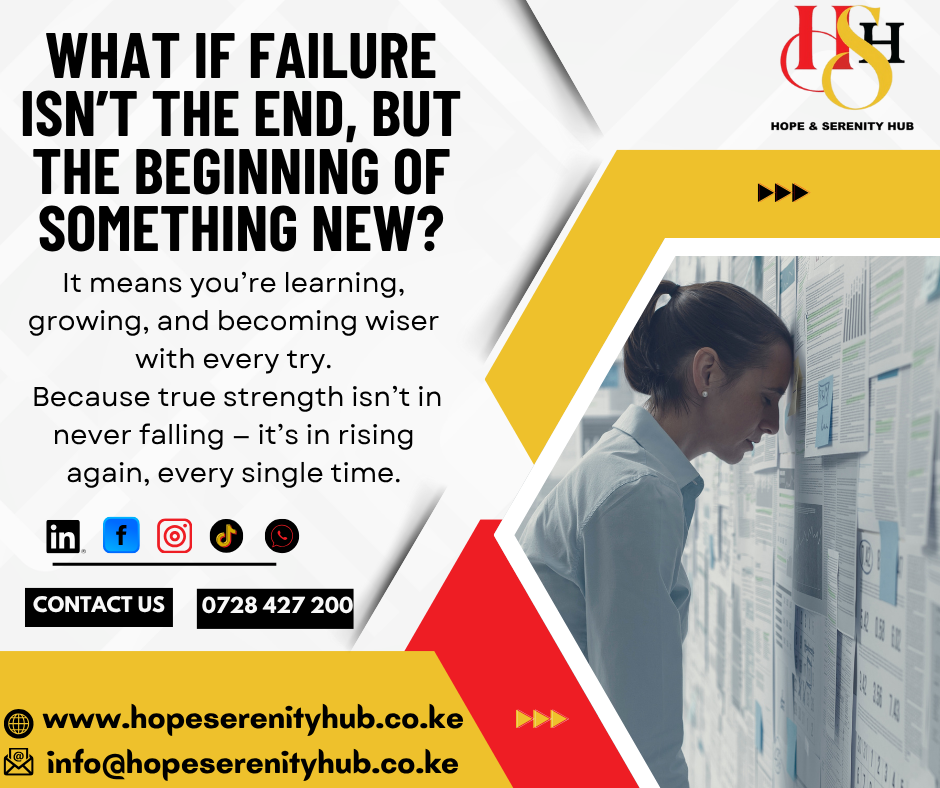
Failure is a word that scares many. It whispers that you are not enough, that your chance has passed, that others are better. But here’s the truth: failure is not final it’s feedback.
Children fall countless times before they walk. Musicians hit wrong notes before they master songs. Entrepreneurs lose money before they build empires. Even the strongest marriages face storms before they grow roots.
No matter your age or personality, life will ask you to begin again. Maybe you lost a job, a relationship, an opportunity, or even your confidence. That’s not the end. Beginning again requires courage. Yes, but it also brings fresh hope.
Starting over does not mean you failed. It means you learned. It means you are wiser. It means you are still alive, still capable, still moving forward.
So whether you are 20 or 70, don’t let fear chain you. Begin again with courage. The story of your life is not written by how many times you fall, but by how many times you rise.
.
Silence Of Listening

In a world filled with voices shouting to be heard, the rarest gift you can offer is silence. The silence of listening.
Listening is not waiting for your turn to speak. It is not formulating answers while someone else talks. True listening is leaning in, heart open, ready to understand before being understood.
Children crave it. Parents need it. Leaders thrive on it. The lonely are healed by it. Even the happiest soul finds peace when someone listens.
Imagine the impact if every home, workplace, and friendship circle practiced genuine listening. Misunderstandings would shrink, wounds would heal faster, and trust would deepen.
So whether you are a cheerful sanguine who loves to talk or a reflective melancholic who quietly observes, remember: listening is a superpower we all carry. Use it often, and you will discover that even silence speaks volumes.
.
Small Beginnings

We often admire skyscrapers but forget they began with one brick. We celebrate great musicians but ignore the years of practice that came before the applause. We look at thriving gardens but forget they began as tiny seeds pushed into the soil.
Life’s greatest victories are born in small beginnings. Yet, many people give up because they despise “small.” They want the harvest before the planting, the diploma before the studying, the success before the struggle.
But nature whispers a lesson: growth is patient. That seed must die before it lives, and it must push through dirt before it sees the sun.
So don’t be discouraged if your dream looks tiny or fragile today. Whether you are a teenager sketching ideas, a parent building a family, or an elder pursuing a late passion embrace small beginnings.
Greatness doesn’t arrive overnight. It grows quietly, steadily, faithfully. Water your seed, nurture your dream, and trust the process. One day, others will marvel at what once looked insignificant.
BE THE ELEPHANT , NOT THE CHICKEN - A LESSON IN GROWTH AND MENTORSHIP

Have you ever noticed how a chicken behaves after it lays an egg? It makes a lot of noise! It clucks loudly, as if it’s telling the whole world, “Hey, look what I’ve done!”
But what’s interesting is that the egg is small, and chickens lay them often. Still, every time, the chicken makes a big scene.
Now think about an elephant. When a female elephant gives birth, it says nothing. No loud trumpet. No announcement. But what it gives birth to is something huge a baby elephant. It took over 22 months to grow inside the mother’s womb, and the result is one of the largest land animals on earth.
No noise. Just results.
This simple picture teaches us something powerful about growth, mentorship, and personal development.
1. Not All Growth Needs to Be Loud
In today’s world, people want quick results. They want to show something anything to feel like they’re making progress. Like the chicken, they make a lot of noise for small wins. There’s nothing wrong with celebrating, but sometimes, real growth happens in silence.
A mentor or counselor helps people understand this. Growth doesn’t always look exciting on the outside. Sometimes, it means working quietly on your mental health, building better habits, or healing from past pain. It might not look like much today, but in time, it can lead to something big.
2. Deep Work Takes Time
Just like the elephant’s baby takes many months to grow, real change doesn’t happen overnight. It takes patience. Whether you’re mentoring someone, being mentored, or going through counseling, it’s important to understand this truth.
Quick fixes are often like chicken eggs small and temporary. But long-term transformation is like the baby elephant strong, lasting, and powerful.
3. Mentors Don’t Need the Spotlight
In mentorship and counseling, it’s not about who makes the most noise. The best mentors are often those who quietly guide others, help them grow, and don’t need applause. Like the elephant, they focus on the result, not the attention.
If you’re a mentor, focus on building strong people, not loud moments. If you’re being mentored, don’t worry if your growth doesn’t look dramatic yet. Stay consistent. The results will speak for themselves.
Final Thought:
So, the next time you feel pressured to show off every small step, remember the elephant. True growth may not always be seen right away. It may be quiet. It may take time. But when it finally shows it will be worth it.
Be the elephant. Grow deeply. Mentor wisely. And trust the process.
THE HIDDEN COST OF GOING ALONE. COACHING AS A MIRROR. (PART 1)

Have you ever tried to look at your own face without a mirror? You might see your hands, your feet, even parts of your reflection in water or glass—but the whole picture stays hidden. This is exactly how life works. We can see bits and pieces of ourselves, but without a mirror, some parts remain invisible.
That’s where coaching comes in. Coaching is more than advice. It’s not someone telling you what to do. Instead, it’s a mirror that reflects you back to yourself—the strengths you’ve forgotten, the blind spots you ignore, and the untapped potential waiting to be unlocked.
Why Coaching Matters as a Mirror
We All Have Blind Spots.
No matter how self-aware we think we are, there are always things we miss. A coach helps you notice patterns you’ve grown so used to that they feel normal. That “I’m just like this” belief? Sometimes, it’s not who you are—it’s just a habit you’ve never challenged.
Clarity Over Confusion
Life throws so much noise at us—work, family, expectations. It’s easy to confuse busyness with progress. A coach reflects back what truly matters, helping you separate distractions from your real goals.
Accountability Without Judgment
Looking in a mirror doesn’t judge you—it just shows you the truth. Coaching works the same way. You’re not shamed for your struggles; instead, you’re guided to see them clearly so you can take the next step forward.
The Hidden Cost of Going Alone.
Many people carry the belief that strength means independence—“I can do it myself.” While self-reliance is powerful, it can also become costly. Going alone often leads to:
Unseen patterns that keep you stuck.
Wasted time chasing the wrong goals.
Silent frustration because no one is there to reflect your true potential.
The cost isn’t just about missed opportunities. It’s about living below your fullest capacity, year after year, simply because you didn’t have a mirror to show you what you could become.
Final Thought
Every person deserves a mirror—not the kind that shows flaws, but the kind that reveals strength, vision, and possibility. Coaching matters because it brings you face-to-face with yourself in the most empowering way.
The question is: What might you see in yourself if you stopped going alone and allowed a coach to hold up the mirror?
At Hope Serenity Hub, we believe nobody should walk the journey alone. Visit us at Thindigua, Kiambu Road, K-Mall 1st Floor Room FF06 or call us on 0728 427 200. Let’s hold the mirror together—because your best self is waiting.
🌿 The Weight We Carry: Why Unspoken Pasts Still Matter

We all have a past. Some chapters are beautiful, filled with laughter and light. Others… we prefer not to talk about. Those are the ones we tuck away—the unresolved arguments, the childhood trauma, the heartbreak we “got over” but never really healed from. We move on. Or so we think.
But the truth is, what we don’t confront, we carry.
🧳 The Luggage We Don’t See
Meet James. To anyone who met him, he was driven, successful, and always the first to make people laugh at the office. But James had a pattern: he couldn’t maintain relationships. At work, he avoided conflict at all costs. In friendships, he’d disappear the moment things got too emotional. And in his romantic life? A trail of breakups with the same reason: “I just don’t feel emotionally safe with you.”
He never connected the dots until his late 30s, when he sat in a therapist’s office for the first time. It turned out James had never truly dealt with his parents’ bitter divorce from when he was 10. The shouting, the silence, and eventually, the abandonment from one parent. He thought he’d “outgrown” it. But his inner child was still screaming.
And it showed—every time he avoided a difficult conversation, every time he mistrusted someone who cared about him, and every time he left before he could be left.
🤐 Why Don’t We Talk About It?
* Fear of vulnerability
Sharing the past feels like opening old wounds. What if people judge us? What if they don’t understand?
* Belief that “it’s in the past”
We convince ourselves that time equals healing. But time without processing only hides the damage it doesn’t repair it.
* Cultural silence
In many families or communities, talking about feelings or mental health is still taboo. We’re told to be strong, stay quiet, or “just move on.”
💥 How It Affects Us—Every Day
Unresolved issues can manifest in subtle but powerful ways:
* Constant anxiety or overthinking
* Inability to form deep relationships
* Self-sabotage in careers or love
* Anger or sadness without a clear cause
* Addiction, perfectionism, or emotional numbness
It’s like trying to build a house on a cracked foundation. No matter how beautiful the outside looks, it’s still unstable underneath.
💬 Healing Starts with a Conversation
You don’t have to tell the whole world. But you do have to tell someone especially yourself.
Here’s what helped James, and can help many of us:
1. Counseling – It’s not about being broken; it’s about understanding. A professional can help make sense of what feels like chaos.
2. Journaling – Putting thoughts to paper is like mapping your inner world. You’ll see patterns and pain you didn’t know you were still carrying.
3. Talking with trusted people – A friend, a sibling, a partner. Vulnerability invites deeper connection.
4. Forgiveness – For others, but also for yourself. You did the best you could with what you had.
🌟 You Are Not Alone
Unresolved doesn’t mean unfixable. No matter how long it’s been, healing is always possible.
Maybe today is the day you choose to unpack the weight you’ve been carrying. Maybe it’s time to speak what’s been silent for too long. Whether it’s a trauma, a broken relationship, or a moment you regret—acknowledging it is the first step.
Counseling isn’t weakness. It’s courage.
💬 Let’s Keep the Conversation Going
Have you ever carried something from your past you didn’t know was still affecting you?
Have you tried counseling, or are you considering it?
Feel free to contact us via email, WhatsApp, SMS, or call to share your thoughts.
info@hopeserenityhub.co.ke
www.hopeserenityhub.co.ke
0728 427 200
PART 1: UNDERSTANDING FAMILY CONFLICTS AND THE ROLE OF MEDIATION.

Every family has its storms. Sometimes it’s a short disagreement that passes quickly. Other times, it’s a season of tension that feels like it will never end.
When conversations turn into arguments and silence becomes the only form of peace, it’s a sign the family bond is under strain.
Family is often our first source of love, support, and belonging.
Yet, it is also where some of our deepest disagreements happen. This is because family members share so much history — and with that comes shared expectations, unspoken rules, and sometimes unresolved hurts.
Conflict in a family isn’t always loud or explosive. Sometimes it’s silent — a cold war where people avoid each other, stop talking, or communicate only through short, tense messages.
Other times, it’s constant arguments over the same issues, with no real progress toward resolution.
In Kenya, for example, disagreements over inheritance, land disputes, or responsibilities for elderly parents can divide families for years. Marital misunderstandings over finances, parenting styles, or extended family interference are equally common. Without intervention, these issues can easily break the bonds that once held everyone together.
Why do Family Conflicts Escalate ?
Conflicts can start small but grow dangerously over time because:
Emotions override logic — Anger, frustration, and hurt take center stage. Even when people know the solution, emotions make it hard to accept or implement it.
Unclear communication — Misunderstandings are left unclarified. For instance, a brother might think his sister “doesn’t care” about the parents because she doesn’t visit often, without asking about her real challenges.
Unresolved past issues — Old wounds, like feeling a parent was “more proud” of one child than another, can quietly sit for years until a fresh argument triggers them.
No safe discussion space — In many homes, trying to “talk things out” turns into raised voices, interruptions, or walking away. This leaves no room for meaningful resolution.
What is Family Mediation?
Family mediation is a structured, confidential process led by a neutral third party — the mediator.
Unlike a court case, where a judge decides the outcome, mediation helps the family craft their own agreement.
The mediator is not there to take sides or impose solutions. Instead, they guide communication, keep discussions respectful, and ensure everyone’s voice is heard.
Key principles of mediation:
Voluntary participation — All parties choose to be there. This means people are more willing to cooperate.
Balanced discussions — No one dominates, and quieter voices are encouraged to speak.
Focus on the future — While the past is acknowledged, the emphasis is on moving forward with workable solutions.
Privacy and dignity — The process is kept confidential, protecting the family from public embarrassment.
For example, a couple going through separation might use mediation to agree on parenting schedules, property division, and ongoing communication, ensuring their children remain supported emotionally and financially.
Call to Action:
If your family is feeling the strain of unresolved conflict, Hope Serenity Hub can help you find your way back to understanding.
Call or WhatsApp us: 0728 427 200
Visit us: Thindigua, Kiambu Road, K-Mall, 1st Floor, Room FF06 — Our doors are always open for you.
IF I COULD TURN BACK TIME: A LIFE REFLECTION & MESSAGE OF HOPE
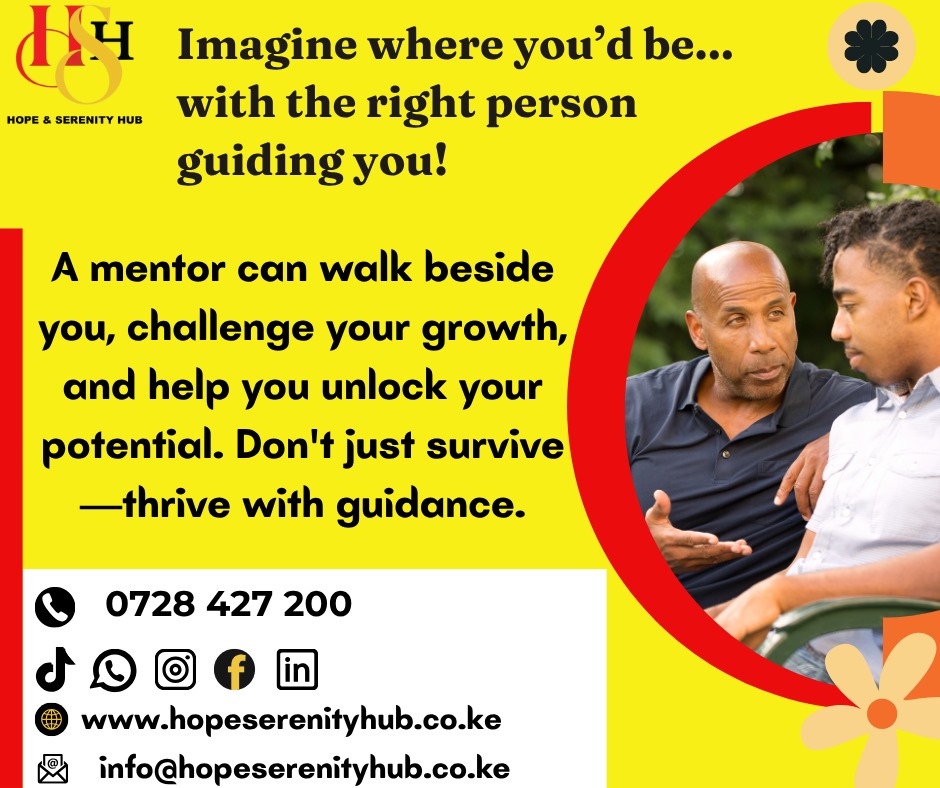
IF I COULD TURN BACK TIME: A LIFE REFLECTION & MESSAGE OF HOPE
Have you ever sat quietly, letting your thoughts wander back to the past—the choices, the missed chances, the silent regrets? Sometimes I wonder: If I had the chance to go back in time and become young again, what would I do differently?
I wouldn’t chase perfection.
I would spend less time trying to please everyone and more time discovering who I truly am. I would laugh more, forgive quickly, and speak kindly to myself. I wouldn’t fear failure so much—I would embrace it as part of the learning journey.
I would take more risks start the business I dreamed of, pursue that course, speak up when I was silent out of fear. I would cherish my parents more, listen deeply to their wisdom instead of thinking I knew it all. I would love harder, live slower, and thank God more often.
But here’s the thing: life doesn’t give us a rewind button. We can’t go back and become young again, but we can start from where we are. Right now.
🌱 To You Who Feels Like a Loser
Maybe you’re reading this and thinking, “It’s too late for me.”
Maybe life has knocked you down so many times, you’re convinced you were never meant to win.
You’ve made mistakes.
You’ve failed people.
You’ve failed yourself.
But let me remind you gently:
👉 You are not a loser — you are a learner.
👉 You are not finished — you are still becoming.
👉 You are not broken beyond repair — you are healing.
Every flower blooms in its own season. Yours may have been delayed, but it will come. Don’t compare your journey with others. Some people arrive fast, others take longer but what matters is you keep walking.
🌟 One Step Forward
Even if all you can do today is get out of bed, wash your face, and whisper, “I will try again,” — that’s enough. Start with small steps. Progress is still progress, no matter how slow.
Life doesn’t demand perfection. It asks for courage.
So, if you get another chance even if it’s not a second youth but just today use it well. Rewrite your story. You’re not too old, too lost, or too late. You still matter. And the world still needs what you carry inside.
💛 Hold on. You’re not alone. You are not your past. You are your potential.
MENTORSHIP: THE POWER OF HAVING SOMEONE IN YOUR CORNER. (PART 2)

MENTORSHIP: THE POWER OF HAVING SOMEONE IN YOUR CORNER. (PART 2)
Brought to you by Hope & Serenity Hub
In Part 1, we explored what mentorship is, and why it matters.
Now, let’s go deeper into how mentorship actually works — and how to find or become a mentor in real life.
Different Types of Mentors (And Why All Are Valuable)
Mentors come in many forms — not just the formal “business coach” or “career guru.” Here are a few kinds you may have already met:
Professional Mentors
These guide you in your job, career path, or academic journey.
Example: A lecturer helping a student plan their master’s research.Personal Growth Mentors
These help you with self-confidence, relationships, and emotional health.
Example: An older cousin helping you through a breakup with life lessons.Spiritual or Faith Mentors
These support your inner journey — faith, morals, and purpose.
Example: A church elder who listens, prays with you, and offers wisdom.Skill-Based Mentors
These focus on building your ability in a certain talent or craft.
Example: A producer mentoring a young singer to shape their sound and discipline.Truth is: One person doesn’t have to be everything — you can have more than one mentor for different areas of your life.
How to Find a Good Mentor
Sometimes mentors find you… but many times, you need to take the first step. Here’s how:
Ask someone you respect
“I really admire how you’ve grown in this area — would you be open to guiding me once in a while?”Start small and genuine
You don’t need to say, “Be my mentor forever.” Ask for coffee, a phone call, or their thoughts on something specific.Look around, not just up
A mentor doesn’t have to be rich, famous, or 30 years older. Even a peer who’s just a step ahead can guide you powerfully.Be open to unexpected mentors
Sometimes mentorship comes from unlikely places — a neighbor, a colleague, a coach, or even someone younger who simply sees things differently.
How to Be a Good Mentee.
Mentorship is a two-way relationship. To grow in it, try this:
Listen actively — Don’t just wait to speak. Truly take in what they share.
Apply the advice — Don’t just nod. Try what they suggest and give feedback.
Ask meaningful questions — Show interest, not just need.
Be grateful — A simple “thank you” can go a long way in strengthening the connection.
How Mentorship Changes Lives (Real Talk)
It breaks cycles
A mentor can stop you from repeating generational mistakes — by showing a different way.
“My father never showed affection… but my mentor taught me how to love my children differently.”It accelerates growth
What took someone 10 years to learn, they can teach you in 10 weeks — if you listen.
“Without my mentor’s guidance, I would still be stuck in fear and confusion.”It builds legacy
People who were mentored often become mentors — passing the light on.
“She mentored me. Now I mentor three girls in my community. That’s how we rise.”
Hope & Serenity Hub Offers Mentorship That Moves You Forward
At Hope & Serenity Hub, we don’t just talk about mentorship — we offer it.
Whether you’re:
Feeling stuck in life
Looking for personal direction
Or needing support in your healing journey
…we connect you with caring, trained mentors who walk with you — at your pace, in your story.
We believe that no one grows alone.
JOIN OUR MENTORSHIP & MENTAL WELLNESS COMMUNITY!
Be part of something bigger. A space where we share support, resources, and real growth.
Let’s grow together — one step, one conversation, one breakthrough at a time.
MENTORSHIP: THE POWER OF HAVING SOMEONE IN YOUR CORNER. (Part 1)

THE POWER OF HAVING SOMEONE IN YOUR CORNER. (Part 1)
Have you ever felt lost, unsure what step to take next in life, work, or even relationships?
You’re not alone — and that’s where mentorship comes in.
SO, WHAT IS MENTORSHIP?
Mentorship is a relationship where someone with experience (the mentor) guides, supports, and helps someone else (the mentee) grow.
It’s not about giving orders. It’s about walking together — with one person a few steps ahead, showing the way.
Think of it like this:
A mentor is not a boss — they’re more like a compass.
They don’t hand you a map. They walk with you, help you read yours.
They’ve seen the potholes and the shortcuts — and they care enough to tell you.
Why Is Mentorship So Important?
Let’s break it down in real-life ways:
Clarity in Confusion.
When you don’t know what to do next, a mentor can help you see the bigger picture.
Example: A university student unsure of which career to pursue finds clarity after regular chats with a professor who shares real industry insights.
Guidance Through Struggles.
Life gets tough. Mentors offer not just advice, but perspective from someone who has been there.
Example: A young entrepreneur struggling with self-doubt learns how to handle rejection by hearing how their mentor bounced back from failure.
Focus and Direction.
Mentors help you focus on what matters — and stop wasting energy on distractions.
Example: A teenager dreaming of music but getting discouraged learns from a mentor how to balance passion with discipline.
Honest Feedback. (with love)
A good mentor doesn’t flatter — they speak truth with kindness.
“I believe in you. But here’s what you need to work on.” That kind of feedback changes lives.
Expanding Your World.
Mentors can open doors to people, opportunities, and perspectives you didn’t know existed.
Example: A fresh graduate gets invited to a networking event by their mentor and meets their future employer there.
Mentorship Is Everywhere (Even If We Don’t Call It That)
It’s not just formal or professional.
A mother teaching her daughter how to handle heartbreak — that’s mentorship.
A mechanic showing his apprentice how to fix engines — mentorship.
A pastor helping a young leader understand their calling — mentorship.
A recovering addict guiding someone just starting their healing journey — mentorship.
Anywhere someone says, “Let me walk with you,” mentorship is happening.
Final Thought for Part 1.
You don’t need to be perfect to be a mentor — just present and willing.
And you don’t need to be lost to need one — just open to grow.
In the next part, we’ll explore:
The different types of mentors
How to find (and be) one
And how mentorship actually transforms lives long-term
But for now… think of someone who once guided you — even for a short while.
That was mentorship. And it mattered more than you think.
WHY PRIVATE MEDIATION WORKS: A SMARTER WAY TO RESOLVE CONFLICT.

WHY PRIVATE MEDIATION WORKS: A SMARTER WAY TO RESOLVE CONFLICT.
Disagreements are part of life — in families, relationships, workplaces, and even in communities. But when tensions rise and communication breaks down, many people are left asking: “Is there a peaceful way to sort this out without going to court or making things worse?”
The answer is yes — and it’s called private mediation.
✅ What Is Private Mediation?
l Private mediation is a confidential, voluntary process where a neutral third party (the mediator) helps people in conflict come to a mutually acceptable agreement.
l Unlike formal court proceedings, private mediation is discreet, flexible, and centered around the people involved — not legal systems or public exposure.
It offers a safe space where both parties are heard, emotions are acknowledged, and real solutions are reached — without judgment or pressure.
✅ Why Private Mediation Works So Well
1. It’s Confidential.
Everything discussed in private mediation stays between the parties and the mediator.
This encourages honesty and openness, without the fear of being exposed or misunderstood.
It’s especially helpful when dealing with sensitive family issues, personal conflicts, or workplace disputes.
2. It’s Neutral and Safe.
The mediator doesn’t take sides — their role is to guide both parties toward a fair solution
The process is respectful and controlled, helping to reduce emotional tension and prevent unnecessary escalation.
It’s a safe alternative to arguing, avoiding, or rushing to court.
3. You Stay in Control.
In private mediation, you decide the outcome — not a judge, not a lawyer.
The mediator helps you clarify your needs, listen actively, and co-create a solution that works for everyone.
This makes agreements more sustainable and fair — because everyone has a say.
4. It Saves Time and Money.
– Court cases can take months (or even years) and cost thousands of shillings.
– Private mediation is usually faster, less formal, and more affordable, making it a practical choice for individuals and families alike.
5. It Heals, Not Just Solves.
ü Unlike legal battles that often leave relationships broken, private mediation preserves or even restores relationships.
– Whether it’s a family rift, a workplace tension, or a business misunderstanding, private mediation helps people move forward with dignity and respect.
6. It’s Personalized.
Every mediation session is tailored to the unique needs, values, and goals of those involved.
There’s no one-size-fits-all solution — just meaningful dialogue that leads to real, lasting change.
✅ Who Can Benefit from Private Mediation?
Private mediation is ideal for:
Family disagreements (e.g., siblings, parents, inheritance)
Couples in conflict (whether married, separated, or co-parenting)
Workplace or team disputes
Business partnerships or client issues
Land and property conflicts
Neighbor disputes and community misunderstandings
If you’re stuck in conflict and want a dignified, peaceful, and private solution, mediation is worth considering.
Final Thoughts.
Private mediation works because it puts people, not problems, at the center. It gives everyone a fair voice and builds bridges — not walls.
Instead of spending time in courtrooms or living in silence and tension, you can choose a path of clarity, calm, and connection. That’s the power of private mediation.
Find Peace Through Private Mediation at Hope Serenity Hub
At Hope Serenity Hub, we specialize in private mediation services that prioritize your privacy, dignity, and emotional well-being.
Whether you’re facing personal, family, business, or relationship conflict — we’re here to help you resolve it peacefully.
Visit us at:
Thindigua K-Mall, 1st Floor, Room FF06, Kiambu Road
Call or WhatsApp us on:
0728 427 200
You don’t have to fight harder. You just need a better way forward — and private mediation can offer exactly that

THE POWER OF ONE. HOW SIMPLE ACT OF KINDNESS CHANGED A LIFE FOREVER
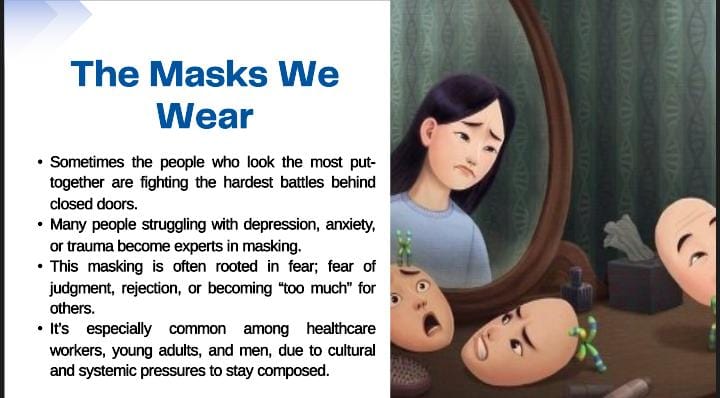
Title: “The Power of One: How a Simple Act of Kindness Changed a Life Forever”
By Ephraim Njure Muhoro
Have you ever wondered whether your small act of kindness could make a real difference in someone’s life?
As a counselor and mediator, I’ve listened to hundreds of stories—stories filled with pain, confusion, joy, and healing. But one story from a few years ago still echoes in my heart. I’d like to share it with you.
A Story I’ll Never Forget
One afternoon, I met a young man named Brian (not his real name), aged 19. He had been referred to me by a friend who was concerned about his emotional withdrawal. Brian came into the session with his hoodie over his head, barely making eye contact. He was polite but distant.
After a few minutes of gentle conversation, I asked him what he enjoyed doing, and he softly said, “I used to like drawing, but I haven’t touched a pencil in a year.”
That statement broke my heart.
As we continued, I discovered that Brian had recently dropped out of college due to financial struggles. His father had walked out on the family, his mother was battling depression, and he felt like a burden to everyone. He had been silently battling suicidal thoughts.
I didn’t have money to give him or a big solution to his problems. But I did something simple: I told him, “Your pain is valid. And I see you—not just your struggles, but your strength. You are not alone.”
I asked if he could sketch something before our next session. The following week, he returned with a pencil drawing of a small tree growing in the middle of a desert. I asked him what it meant, and he replied, “Hope.”
Today, Brian is back in school through the support of a mentorship program. He now teaches young children how to draw and tells them, “Even if it feels like you’re in the desert, you can still grow.”
What This Taught Me—and Can Teach Us All
This experience reminded me that we don’t always need big answers to make a difference. Sometimes, being there is enough. Sometimes, a word of encouragement, a listening ear, or simply believing in someone is the turning point in their story.
Whether you are a parent, a teacher, a friend, or even a child—your kindness matters.
What We Can All Do:
1. Children: Include someone who is left out. Say hello. Share your toys or snacks.
2.Teens: Check on your friends. Speak life into those around you.
3. Adults: Be patient with those who seem “difficult.” They might be going through silent storms.
4. Elders: Share your wisdom and time. Your presence is a blessing.
Final Thoughts
I often tell the young people I counsel: “You are not your pain. You are the story you’re still writing.”
And to you reading this—never underestimate your power. You may not change the whole world, but you can change someone’s world.
And that, my friend, is everything.
Let’s build a kinder, more hopeful world—one act at a time.
If you or someone you know needs to talk, feel free to reach out to me through this website. You are not alone.
ARE YOU REALLY OKAY ?
SIGNS YOU MIGHT NEED COUNSELLING AND DIDN’T KNOW IT.
In today’s world, most people are surviving instead of truly living.
We’re busy, productive, smiling — and silently struggling.
Many people don’t realize they’re carrying emotional burdens that affect how they think, relate, and even sleep. That’s why counselling isn’t just for people in deep crisis — it’s for anyone who wants to feel lighter, think clearer, or simply breathe better.
At Hope & Serenity Hub, we’ve seen how powerful it is when someone finally says, “I think I need help.” It’s not weakness. It’s wisdom.
7 Subtle Signs You Might Need Counselling — With Real-Life Examples.
You’re running late, and suddenly you’re panicking. The Wi-Fi goes out, and you feel like screaming.
Example: Lydia, a 28-year-old teacher, broke down in tears when her laptop crashed during a class. It wasn’t just the laptop — it was a buildup of stress, burnout, and lack of emotional support.
What it means: Small triggers can reveal deeper emotional strain.
2. You’ve lost interest in things you used to love.
That walk you used to enjoy? You now ignore it. Conversations with friends feel draining. Even your favorite music doesn’t hit the same.
Example: Martin, a 33-year-old photographer, stopped picking up his camera for months. He thought he was just tired — until counselling helped him uncover hidden grief after losing a friend.
What it means: When joy fades, it’s often a sign that your heart is asking for help.
3. You avoid your emotions by “numbing out”.
You spend hours binge-watching, scrolling, or sleeping not because you’re lazy — but because you’re trying to escape your thoughts.
Example: Sheila, a 24-year-old university student, realized she was eating excessively at night and staying up watching shows to avoid loneliness and anxiety.
What it means: Escaping is a coping mechanism — but healing comes when you face what you’ve been avoiding.
4. You’re stuck in negative thought patterns.
Your mind keeps telling you: “I’m not enough. I always mess up. No one really understands me.” These thoughts are heavy and repetitive.
Example: James, a 41-year-old father of two, kept believing he was a bad dad. His father had never affirmed him, and that pain kept echoing into his own parenting until counselling helped him break the cycle.
What it means: Your internal dialogue is shaped by past wounds — but it can be rewritten.
5. Your sleep or appetite has changed.
You’re tired all the time, or maybe you’re eating way more — or way less.
Example: Brenda, a 35-year-old businesswoman, started losing weight drastically. She wasn’t dieting — she just “wasn’t hungry.” Counselling revealed she was dealing with hidden anxiety about financial uncertainty.
What it means: Your body often shows what your mind is suppressing.
6. You feel disconnected — even around people.
You’re in a group, but you feel alone. You laugh, but you don’t feel joy inside.
Example: Peter, a 26-year-old newlywed, began avoiding social events. He felt empty but didn’t know how to explain it to his wife. Therapy helped him realize he was silently grieving unresolved childhood neglect.
What it means: Disconnection is often a sign of internal discontent or emotional shutdown.
7. You’ve gone through something — and never truly processed it.
You’ve survived pain, but you never stopped to heal from it.
Example: Alice, a 45-year-old mother, thought she was “strong” because she never cried after losing her mom. But over the years, unprocessed grief turned into constant irritability and fatigue. Counselling gave her space to finally mourn and let go.
What it means: Time doesn’t heal wounds — intentional healing does.
Why Counselling Helps — More Than You Think.
Counselling is not just “talking.” It’s transformational.
Here’s what makes it powerful:
✅ 1. A Safe, Non-Judgmental Space.
You don’t have to filter yourself. You don’t have to be strong. You can cry, question, process, or even be silent — and it’s all okay.
You deserve a space where your story matters.
✅ 2. Clarity Through Professional Listening.
Unlike friends, a counsellor is trained to hear beneath your words. They help you connect dots you didn’t even know existed.
Example: You might say “I’m just stressed,” and your counsellor helps you discover it’s actually about childhood rejection.
✅ 3. Emotional Detox and Release.
You’ve probably been holding a lot inside. Counselling helps you offload the emotional weight that’s been piling up for months — or even years.
Healing begins when you stop carrying it all alone.
✅ 4. Personalized Tools for Growth.
You’ll learn real-life tools — like how to set boundaries, manage anxiety, regulate emotions, and re-frame negative thoughts.
It’s not just therapy — it’s training for a healthier mind and life.
✅ 5. Confidentiality and Trust.
Whatever you say stays in the room. Many clients say counselling is the first time they’ve felt truly heard and respected — without fear of judgment.
Counselling is a gift you give yourself — and your future.
The Truth? You Don’t Have to “Be Strong” All the Time.
Strong people also cry. Brave people also ask for help.
And healing begins when you stop pretending to be okay.
At Hope & Serenity Hub, we are committed to walking with you — without shame, pressure, or judgment. Whether you’re processing trauma, going through a tough season, or just want to grow, counselling can help.
Let’s Talk.
✨ Call or WhatsApp us today: 0728 427 200
Or share in the comments:
What’s one area in your life that feels heavier than it should be?
We’d love to hear your thoughts — and walk with you toward healing.
Share this blog with someone you care about.
Because asking for help isn’t weakness — it’s wisdom.
WHY TALKING TO A COUNSELLOR FEELS SO DIFFERENT FROM TALKING TO A FRIEND.
UNDERSTANDING THE UNIQUE POWER OF PROFESSIONAL COUNSELLING
We all need someone to talk to — especially when life gets heavy. Often, our first instinct is to call a friend or vent to someone close. While supportive friends are a blessing, they’re not always enough to guide us through emotional challenges or deep personal struggles.
That’s where counselling comes in.
At Hope & Serenity Hub, many clients ask:
“Why should I talk to a counsellor when I already have friends who listen?”
The answer lies in understanding the unique value of professional counselling. Let’s explore the key differences, and why both friends and counsellors can play meaningful — but different — roles in your emotional well being.
Friend vs. Counsellor: What’s the Difference?
Friends offer connection; Counsellors offer clarity.
Your friends are emotionally invested in you — and that’s beautiful. But sometimes, their closeness can make it hard for them to be objective. A professional counsellor is trained to step back, observe patterns, and help you understand your thoughts and feelings in a deeper way.
5 Key Reasons Why Talking to a Counsellor Feels Different.
✅ 1. Counsellors listen without bias.
Friends may take sides or offer advice based on personal opinions.
A counsellor, however, offers a safe, neutral, and non-judgmental space where you’re free to explore your thoughts honestly — even the hard ones.
Real-life example:
Joseph, a 30-year-old father, felt judged when he shared parenting struggles with friends. But in therapy, he was able to speak openly about his fears and frustrations without shame.
✅ 2. They’re trained to dig deeper.
Counsellors don’t just listen — they analyze, observe patterns, and help you make connections between your past and present.
Real-life example:
Carol, a university student, kept saying, “I just don’t feel like myself.” Through counselling, she uncovered unresolved grief from childhood that she hadn’t connected to her current anxiety.
✅ 3. You can be 100% honest — without worrying about hurting feelings.
With friends, we often hold back. We fear judgment or don’t want to burden them. In counselling, your needs come first. It’s a space where your emotions, no matter how messy, are valid and welcome.
What clients say:
“This is the one place I don’t have to pretend.”
✅ 4. Counselling gives you tools — not just sympathy.
Friends might say, “You’ll be okay,” but a counsellor will teach you how to be okay.
You’ll learn:
How to set boundaries.
How to challenge negative thoughts.
How to manage emotions in healthy ways.
How to cope with anxiety, grief, or anger.It’s not just comfort — it’s
✅ 5. It’s private, confidential, and focused on you.
With friends, conversations are two-way. In counselling, it’s your space. You won’t be interrupted, advised too quickly, or steered off-topic.
You get to process your story, your way — at your own pace.
So… Do I Need a Counsellor and Friends?
Yes! Both are important — they serve different emotional needs.
Think of it this way:
Friends offer
Counsellors offer
Friends help you
Counsellors help you
You don’t need to choose one over the other. In fact, combining social support + professional help creates a powerful pathway to growth and resilience.
Still Not Sure if Counselling is Right for You? Ask Yourself:
Do I feel emotionally stuck or overwhelmed?
Am I repeating the same unhealthy patterns?
Do I need a space to talk without fear or pressure?
Am I curious about how past experiences are affecting me now?
If you answered yes to even one — counselling could be a life-changing step forward.
Talk to Someone Who’s Trained to Help You Heal.
At Hope & Serenity Hub, our counsellors are not just listeners — they are guides, healers, and mental health professionals with a deep heart for your healing journey.
Sessions are confidential.
You set the pace.
Your healing is the goal.
Let’s Hear from You!
Have you ever noticed the difference between venting to a friend and opening up to a counsellor?
Drop a comment below — we’d love to hear your thoughts or answer your questions!
Ready to take that step?
Call or WhatsApp us today: 0728 427 200
Follow us on social media for weekly insights and wellness content.
Share this blog with someone who needs clarity and healing.
You never know who might be silently struggling.
Because sometimes, a conversation with the right person can change everything.
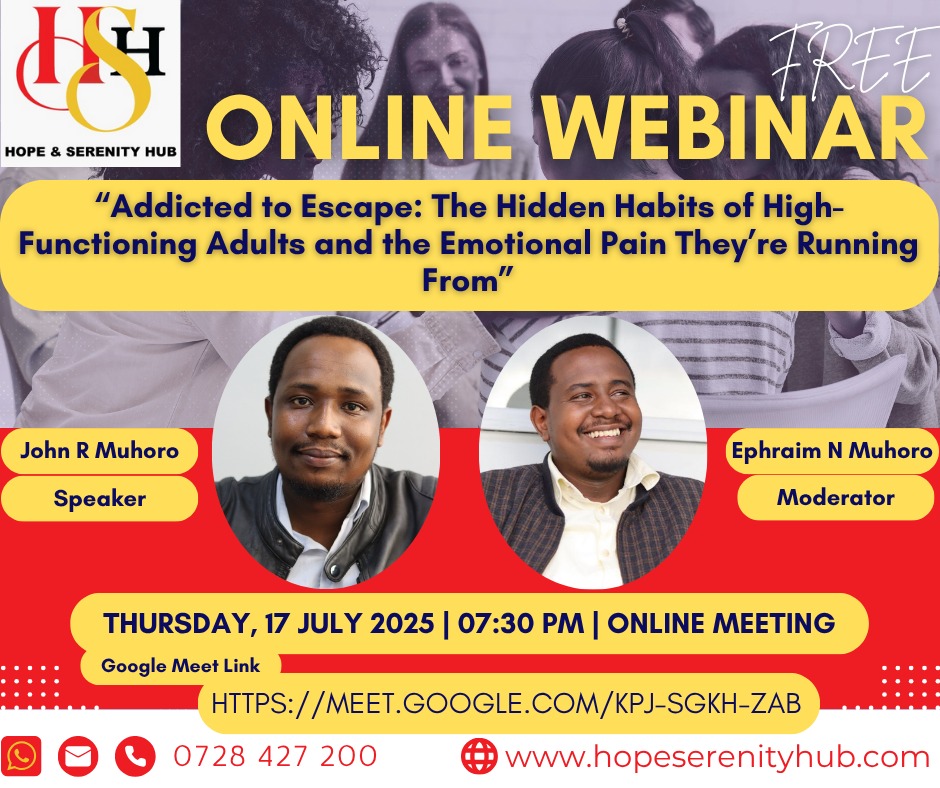
ADDICTED TO ESCAPE: THE HIDDEN HABITS OF HIGH-FUNCTIONING ADULTS AND THE EMOTIONAL PAIN THEY’RE RUNNING FROM